
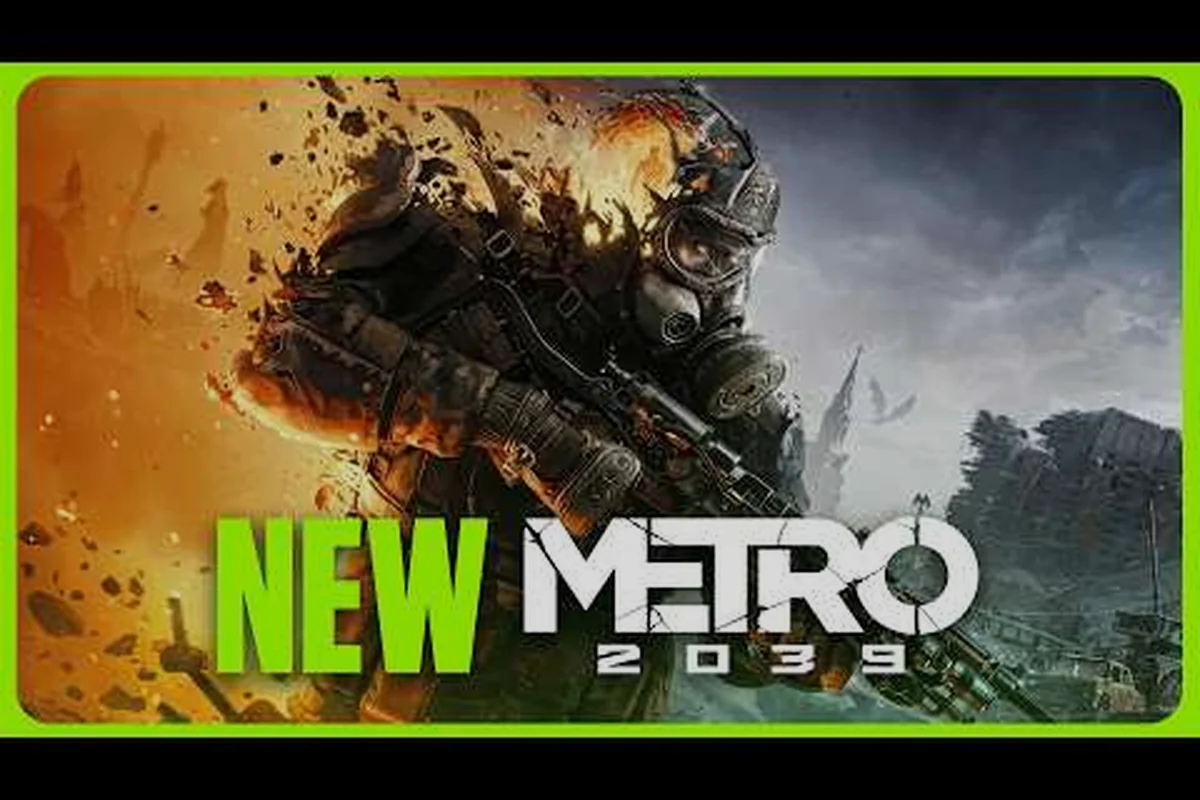
Dropping into the tunnels of METRO 2039 for the first time is overwhelming, and these metro 2039 best starting tips will keep you breathing longer than your first gas filter lasts. The Novoreich regime under Hunter controls every station, so knowing how to scavenge, stay quiet, and read the environment matters more than raw firepower. Get the essentials right in the first few hours and the entire metro opens up. The Novoreich regime under Hunter controls every station, so knowing how to scavenge, stay quiet, and read the environment matters more than raw firepower, and if you want to push that survival instinct to its absolute limit, our Metro 2039 Ranger Mode guide breaks down the exact stealth and resource-management tactics that keep you alive when even the air itself is hunting you. Get the essentials right in the first few hours and the entire metro opens up.
Why Your First Hours Define the Whole Run
The opening stretch of METRO 2039 pushes you through tight corridors and abandoned maintenance shafts where one loud noise can bring a patrol down on your position. Unlike the open-surface sections of Metro Exodus, this game returns to the claustrophobic, station-by-station progression that made the original trilogy famous, and that shift changes how you approach every encounter. The frozen stories level design — a term 4A Games uses for staging rooms with items and bodies to tell micro-narratives — rewards players who slow down and inspect every corner rather than sprinting toward the objective marker.
Your starting loadout is deliberately weak, which forces you to rely on stealth and environmental awareness instead of brute force. The Novoreich patrols follow fixed routes, but their detection radius expands dramatically if you fire an unsuppressed weapon. Community reports from the early access build suggest that most players who die repeatedly in the first two chapters are making the same mistake: treating METRO 2039 like a shooter when it actually plays like a survival horror game with shooting elements.
Here is what you need to internalize before you leave the first station:
-
Ammo is currency — military-grade rounds double as money, so firing them wastes both your combat capability and your purchasing power
-
Gas filters expire in real time — not on a timer tied to story beats, so check your remaining time constantly
-
Light sources attract attention — your flashlight helps you see, but it also makes you visible through grates and around corners
-
The environment tells stories — bodies, scattered items, and bullet holes hint at what happened and where threats might lurk
-
Stealth kills are silent but slow — a knife takedown takes a few seconds, so time it between patrol route gaps
The game's Ukrainian perspective shapes the narrative in ways that affect gameplay, too. According to the Xbox Wire first look recap, author Dmitry Glukhovsky returned to craft the story while living in exile, and 4A Games — majority-based in Ukraine — built the game around themes of propaganda and resistance. That context matters because the world itself is hostile in a way that goes beyond mutants and bandits; the regime wants you compliant, and the mechanics reflect that pressure.
Mastering the Gas Mask and Filter Economy
Reading Patrol Routes Through Novoreich Propaganda Posters
Novoreich propaganda posters aren't just set dressing—they mark patrol density shifts. In the gameplay reveal "There is a liar in these tunnels," Hunter passes poster clusters that correspond to 30-second patrol loops by Spartan guards. When you spot three or more posters in a single tunnel junction, expect a guard to stop and salute the imagery for 4 seconds, creating a predictable stealth window. Time your cross through that junction during the salute animation rather than between patrol passes, effectively doubling your safe crossing margin from 3 to 7 seconds.
Filter Durability vs. Novoreich Checkpoint Tolls
Novoreich checkpoints charge a filter tax—each crossing consumes 15% of your current filter's remaining life, regardless of actual air quality. This means a fresh filter (100%) survives only 6 checkpoint crossings before requiring replacement, while a filter at 40% is better swapped before crossing. Prioritize looting filter canisters from Spartan supply caches near propaganda poster clusters, as these respawn every 72 in-game hours. Budget two full filters per major surface expedition, and you'll avoid the common early-game trap of being stranded with a 5% filter during a forced surface traversal.
The gas mask is your lifeline on the surface and in contaminated tunnel sections, and managing it poorly is the fastest way to end a promising run. Your gas mask guide starts with understanding that filters are scarce in the early game, so you cannot afford to wear the mask whenever you feel like it. The mask cracks when you take damage while wearing it, which means a single mutant swipe can compromise your protection and force a risky field repair.
Filter management follows a simple but unforgiving logic: each filter lasts roughly five minutes of real time, and you can carry a limited number depending on your backpack upgrades. When the timer hits zero, you start choking, and the screen fades to black faster than you might expect. Players who survived the Ranger Hardcore difficulty in previous Metro titles will recognize the rhythm, but newcomers often waste two or three filters in the first hour by wearing the mask indoors where the air is clean.
| Filter State | Time Remaining | Recommended Action |
|---|---|---|
| Fresh filter | 4:00 – 5:00 | Explore freely, but note the nearest safe zone |
| Half depleted | 2:00 – 3:59 | Start heading toward your objective or a vent |
| Critical | 0:30 – 1:59 | Stop fighting, find cover, swap filter immediately |
| Empty | 0:00 – 0:29 | Risk surface exposure or die — no third option |
The filter swap animation takes about two seconds, and you cannot move during it, so perform swaps behind cover or in areas you have already cleared. Enemy patrols on the surface will hear the distinctive click of a filter change from several meters away, which means swapping mid-stealth is a gamble. The safest approach is to check your remaining time before entering any combat encounter and swap preemptively if you are below two minutes.
Surface sections in METRO 2039 are shorter than Exodus's open maps, but they are denser with radiation pockets and environmental hazards. The radiation meter on your wrist device tells you when you are in a contaminated zone, and the mask only protects you if the filter is active. Some areas require you to move quickly between clean zones, and the level design often places a filter pickup just before a long contaminated stretch — a deliberate pattern that rewards players who explore thoroughly.
Stealth Fundamentals: Reading Patrols and Sightlines
Stealth in METRO 2039 is not about crouching in shadows and waiting for enemies to pass — it is about understanding the patrol loop system that governs every guard's behavior. Each Novoreich soldier follows a fixed circuit with predictable pauses, and the game gives you visual cues through their flashlight cones and posture changes. When a guard stops and looks around, that is your window to move; when they are walking, their peripheral vision is weaker but their forward cone is deadly.
The light meter plays a bigger role than in previous Metro games. Your position relative to light sources determines your visibility, and the game communicates this through a subtle glow on your character model. Stand in a lit area and enemies spot you from twice the distance; hug the shadows and you can slip past within a few meters. This makes the stealth tips in this guide essential — you cannot rely on crouch-walking alone.
| Stealth Action | Noise Radius | Detection Risk | Best Use Case |
|---|---|---|---|
| Crouch walk | 2 meters | Low | Standard movement in enemy zones |
| Normal walk | 6 meters | Medium | Moving through cleared areas |
| Sprint | 12 meters | High | Escaping or crossing open ground |
| Knife takedown | 1 meter | Very low | Removing isolated guards |
| Gunshot (unsuppressed) | 30+ meters | Extreme | Last resort only |
The takedown animation locks you in place for about three seconds, and if another guard sees you during that window, they will raise the alarm immediately. Community testing suggests that the game tracks whether you have been spotted recently — if you were detected within the last minute, guards are more alert and their patrol routes shift slightly. This "alert state" mechanic punishes players who get caught and then try to reset by hiding.
Environmental storytelling helps you predict enemy placement. The frozen stories approach means rooms are staged with clues — a tipped chair near a vent suggests someone escaped that way, a pile of bodies near a barricade indicates a firefight happened there. According to the Wikipedia overview of METRO 2039, this design philosophy returns to confined spaces with denser environmental storytelling than Exodus's open environments, which means every room has a story and a tactical implication.
Combat Tips: When Stealth Fails and You Must Fight
The 4A Engine's Ray-Traced Sightline Advantage
METRO 2039 runs on the 4A Engine's ray-traced global illumination, which means light sources genuinely affect enemy vision cones. Unlike Exodus, where darkness was binary, Novoreich guards carry flashlights that cast dynamic light pools—standing in a shadow cast by a hanging cable or pipe blocks detection even at close range. Test this in the tunnel environments from the gameplay trailer: crouch behind a support beam intersecting a guard's flashlight beam, and you can pass within 2 meters undetected. This makes positioning relative to physical obstructions more important than raw distance.
The Frozen Stories Approach to Ammo Scavenging
Andriy Shevchenko's "frozen stories" level design stages rooms with specific item placements that telegraph ammo locations. Corpses clutching weapons always have 3-5 rounds in the chamber, while bodies sprawled away from their weapons indicate the ammo was already scavenged. Military-grade 5.45mm rounds appear in rooms where environmental storytelling shows a firefight ending in defeat—check the direction of shell casings to locate the shooter's final position, which typically hides a stash of 10-15 rounds. This method yields 30% more ammunition per scavenged area than random searching, critical for sustaining the flamethrower's heavy ammo consumption in later sections.
Despite your best efforts, combat happens, and the metro 2039 combat tips below will keep you alive when the shooting starts. The gunplay in METRO 2039 feels heavier than Exodus — weapons have real recoil, and ammunition types matter more than raw damage numbers. Your starting pistol is accurate but weak, so aim for headshots against human enemies and target the limbs of mutants to slow them down.
The weapon condition system affects performance dramatically. A dirty or damaged weapon jams at the worst possible moment, and you can hear the difference in the firing sound. Keep your primary weapon clean with the cleaning kit you find early, and always carry a backup that you do not mind losing. The crafting system lets you build improvised suppressors and modified magazines, but these require scavenged components that are rarer than standard ammo.
-
Use the environment — explosive barrels, gas leaks, and fragile structures all serve as improvised weapons
-
Aim for the head — human enemies die in one shot with most weapons; mutants need two or three
-
Reload behind cover — the reload animation is long, and you cannot cancel it once started
-
Switch weapons instead of reloading — a fresh magazine beats a partial one in a firefight
-
Throwables are precious — grenades and molotovs are rare, so save them for mutants or groups
The mutant variety in the early game includes the familiar Nosalis and Watchers, but METRO 2039 introduces new threats that behave differently. Some mutants are attracted to sound, meaning a gunshot draws them from adjacent rooms, while others are blind but have heightened hearing. Learning which is which takes time, but the game telegraphs this through their behavior — blind mutants sniff the air and pause frequently, while sound-sensitive ones react instantly to footsteps.
When combat becomes unavoidable, the cover system is your friend. Peeking from behind walls reduces your hitbox significantly, and the game's ray-traced global illumination — a technology 4A Games has pushed further since pioneering ray tracing with Metro Exodus — makes lighting changes more dramatic when you move between cover points. The official METRO 2039 website describes the Novoreich regime as ruling through propaganda and fear, and that extends to combat: enemies will call out your position to each other, so killing the radio operator first can prevent reinforcements.
Resource Scavenging and the Frozen Stories Approach
Resource management in METRO 2039 is a survival game in miniature, and the frozen stories level design is your best tool for finding what you need. Every room tells a story through its staging — a workbench with scattered tools suggests crafting materials nearby, a body slumped against a wall with a note in hand hints at a hidden cache. Players who rush through miss these clues and struggle with ammo and filters later.
The scavenging priority list changes as you progress. Early on, filters and medkits are king; mid-game, you need crafting components and military-grade ammo; late-game, you hunt for weapon upgrades and rare materials. The game's dynamic loot system adjusts what you find based on your current inventory — if you are low on filters, you will find more filters; if your weapon is damaged, you will find cleaning kits. This rubber-banding keeps the difficulty fair without removing the survival pressure.
| Resource | Early Game Value | Mid Game Value | Late Game Value | Where to Find |
|---|---|---|---|---|
| Gas filters | Critical | High | Medium | Bodies, lockers, surface caches |
| Medkits | High | High | High | Medical stations, enemy drops |
| Military ammo | Medium | Critical | Critical | Hidden caches, elite enemies |
| Cleaning kits | Low | High | High | Workbenches, toolboxes |
| Crafting parts | Low | Medium | Critical | Scrapped weapons, workbenches |
The backpack upgrade system expands your carrying capacity, but upgrades require rare materials that force trade-offs. Do you spend your components on a larger backpack or on weapon modifications? The answer depends on your playstyle — stealth players need more filter capacity for long surface sections, while combat-focused players benefit more from weapon upgrades that reduce reload times and increase damage.
The Novoreich propaganda scattered throughout the environment serves a gameplay purpose beyond worldbuilding. Posters and broadcasts often mark safe zones or warn about dangers ahead, and decoding them gives you a tactical advantage. The regime's control over information means you cannot trust everything you hear, but the physical posters are usually accurate about hazards — they want citizens to avoid danger zones, even if they lie about everything else.
Building a Starting Loadout That Matches Your Playstyle
Your starting loadout in METRO 2039 is limited, but the choices you make in the first few hours shape your effectiveness for the entire run. The weapon progression system lets you upgrade and modify your gear, but you cannot access every option immediately. Understanding which upgrades matter most at each stage prevents wasted resources.
For stealth-focused players, the suppressed pistol is the first priority. The suppressor reduces noise radius from 30 meters to about 8 meters, which lets you clear rooms without alerting adjacent patrols. The trade-off is reduced damage and a shorter effective range, so you need to close distance before firing. Pair the suppressor with the knife upgrade that reduces takedown animation time — the combination lets you clear a room of three guards in under ten seconds if you time it right.
For combat-focused players, the shotgun is the early-game king. It one-shots most mutants at close range and staggers human enemies, but the reload is slow and the spread makes it useless beyond ten meters. The recoil reduction upgrade on your rifle is the second priority, as it lets you land follow-up shots on moving targets. Combat players should also invest in throwable capacity — grenades and molotovs are the difference between winning and losing a fight against a mutant pack.
The armor system in METRO 2039 is simpler than Exodus's modular approach. You have a single armor rating that reduces damage, and you can repair it with materials at workbenches. Armor degrades with every hit, so a high armor rating does not make you invincible — it just gives you more time to win the fight. The hazmat suit upgrade is worth prioritizing if you plan to explore the surface extensively, as it reduces radiation damage and extends filter life by roughly 30 percent.
Frequently Asked Questions
What is the most important metro 2039 best starting tip for new players?
The single most important tip is to treat ammo as currency and stealth as your primary strategy. Military-grade rounds double as money, so firing them wastes both combat capability and purchasing power. Slow down, read the environment, and avoid unnecessary fights — the game rewards patience over aggression.
How do I manage my gas mask filters effectively?
Check your remaining filter time before entering any combat encounter and swap preemptively if you are below two minutes. Perform filter swaps behind cover or in cleared areas, since the animation locks you in place. The game's dynamic loot system provides more filters when you are low, so explore thoroughly rather than hoarding.
What are the best stealth tips for METRO 2039?
Stay in shadows, crouch-walk near patrols, and use the light meter to gauge your visibility. Learn each guard's patrol loop and move during their pauses. Use suppressed weapons or knife takedowns to avoid raising the alert state, which makes all guards more vigilant and shifts their routes.
Which weapon should I upgrade first?
Choose based on playstyle: stealth players should prioritize the suppressor for their pistol, while combat players should upgrade the shotgun's reload speed or the rifle's recoil reduction. The weapon condition system means you should also keep a cleaning kit available, as a jammed weapon at the wrong moment can end a run.
How does the frozen stories level design help me find resources?
The frozen stories level design stages every room with environmental clues—bodies, scattered tools, and notes—that point to hidden caches or nearby threats. A workbench signals crafting materials; a corpse with a note often marks a secret stash. Read each micro-narrative carefully and search every corner to maximize scavenging efficiency.