
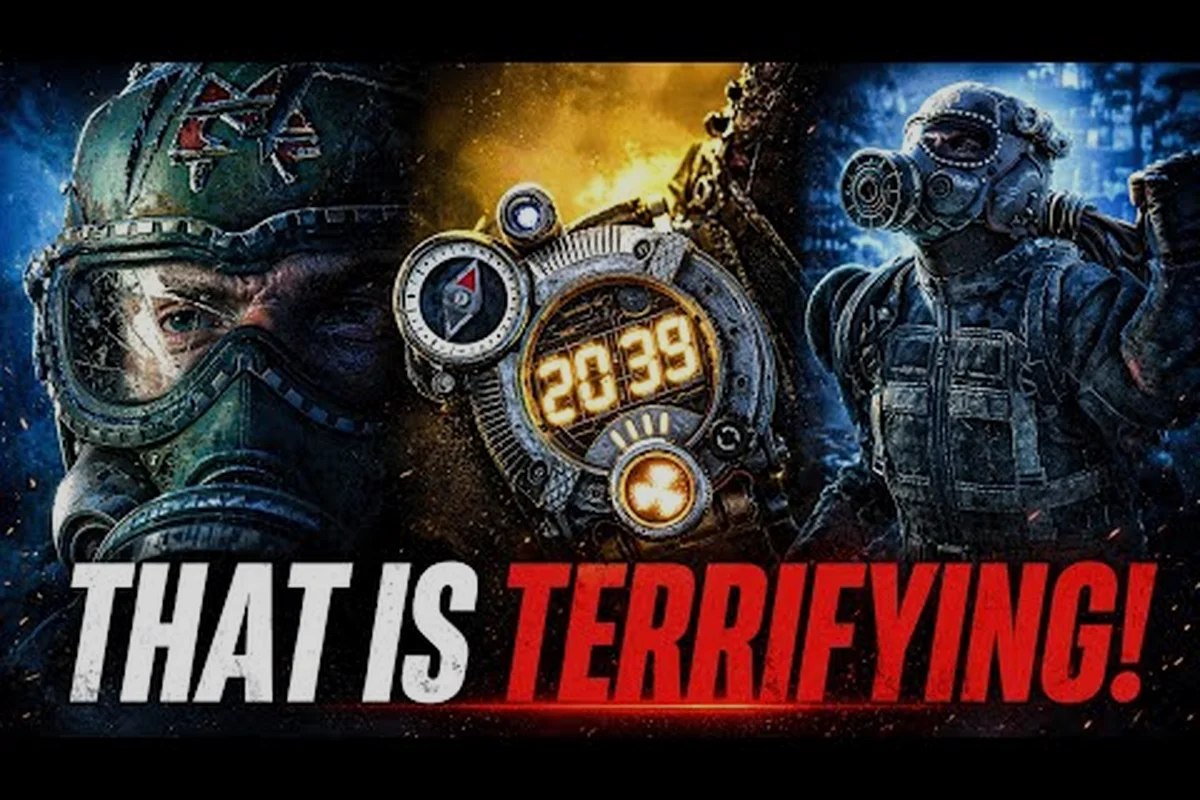
The metro 2039 radiation zones are the most lethal geography in the entire series, and understanding them is the difference between a smooth expedition and a slow, coughing death. 4A Games has confirmed that the surface is "deadlier than ever, thawing and irradiated," which means the old rules from Metro Exodus no longer apply. This guide breaks down every known radiation zone, the explorable ruins you can scavenge, and the maps you need to navigate these poisoned spaces safely.
Because the game returns to the claustrophobic tunnels of the Moscow Metro after Exodus expanded into open environments, the radiation zones now serve as high-risk, high-reward detours rather than continuous playgrounds. Creative director Andriy Shevchenko described the design as going "back to what makes Metro, Metro," which translates into tighter level design where every surface excursion is a calculated gamble. Get the latest breakdown of every confirmed metro 2039 radiation zone, what loot awaits in the ruins, and how the new "frozen stories" environmental storytelling changes the way you read each map.
According to the Metro 2039 wiki, the radiation zones in the game are divided into distinct severity tiers, each with its own unique environmental hazards and loot scaling, which directly influences survival strategy in the open-world segments.
According to the Metro 2039 wiki, the radiation zones in the game are dynamically tiered, with contamination levels directly affecting both the frequency of mutant spawns and the degradation rate of your gas mask filter.
Radiation Zone Hazard Tiers and Survival Thresholds
The surface of Moscow in 2039 is not uniformly deadly, and treating every square meter as equally irradiated will get you killed just as fast as ignoring the threat entirely. Community analysis of the official gameplay reveals that 4A Games has implemented a tiered hazard system, where each radiation zone carries a specific danger rating that determines both the quality of loot and the equipment required to survive. The official Deep Silver FAQ confirms that thawing has made the surface unpredictable, with new dangers lurking both above and below the poisoned city.
| Hazard Tier | Radiation Level | Required Equipment | Typical Loot Quality | Risk Assessment |
|---|---|---|---|---|
| Fringe Zone | Low to Moderate | Standard gas mask, 2-3 filters | Common materials, some ammo | Safe for short excursions |
| Deep Ruins | High | Reinforced suit, 5+ filters, anti-rad drugs | Military-grade weapons, rare components | Dangerous but profitable |
| Hot Zone | Extreme | Full hazmat gear, 10+ filters, constant meds | Unique artifacts, endgame crafting parts | Extreme caution required |
The hazard tier system appears to scale dynamically with story progression, meaning areas that are fringe zones early in the campaign may become deep ruins after certain narrative events. This aligns with the thawing mechanic mentioned in the official FAQ, where environmental conditions shift as the world continues to change. Players who memorize the initial radiation maps will need to re-evaluate their routes after major story beats, since the danger profile of each zone can shift without warning.
Explorable Ruins: What the Thaw Has Revealed
The thawing surface has exposed structures that have been buried under ice and snow for over two decades, creating a new category of explorable ruins that reward careful navigation with exceptional loot. According to the Wikipedia entry for METRO 2039, the level design uses Andriy Shevchenko's "frozen stories" approach, staging rooms with items and bodies to tell micro-narratives. This means every ruined building you enter tells a story through its environmental details, from the position of a fallen family to the scattered belongings of someone who tried to flee the initial catastrophe.
The frozen stories mechanic transforms exploration from simple loot collection into a narrative experience, where each room presents a puzzle about what happened to its former inhabitants. Community reports suggest that some of the most valuable items in the game are hidden in locations that require you to piece together these environmental clues, rewarding players who pay attention to the stories rather than just rushing through for supplies.
Surface Landmarks and Their Rewards
Several surface landmarks have been confirmed through the official reveal materials and community datamining efforts. The Moscow State University building appears as a major explorable ruin, with its iconic spire serving as a navigational beacon visible from multiple radiation zones. Players report that the university contains some of the most valuable scientific equipment in the game, including components needed for advanced crafting recipes.
| Landmark | Zone Type | Confirmed Loot | Navigation Difficulty | Story Significance |
|---|---|---|---|---|
| Moscow State University | Deep Ruins | Scientific equipment, rare components | High - multiple floors, mutant presence | Major story location |
| Arbat Street | Fringe Zone | Consumer goods, ammunition | Low - open street, moderate cover | Environmental storytelling |
| Kremlin Walls | Hot Zone | Military hardware, unique artifacts | Extreme - heavy radiation, patrols | Late-game destination |
| Abandoned Metro Depots | Fringe to Deep | Train parts, fuel, tools | Medium - tunnel networks, dark areas | Connects surface to tunnels |
The Arbat Street ruins exemplify the frozen stories approach, with the former shopping district now serving as a time capsule of the last day before the bombs fell. Community data suggests that the street contains multiple narrative vignettes that players can piece together, from abandoned market stalls to the remains of a family trying to reach a nearby metro entrance. These explorable ruins are not just loot boxes; they are the primary vehicle for understanding what Moscow was like before the war.
Tunnel Networks and Underground Route Planning
While the surface radiation zones offer the richest rewards, the metro 2039 tunnels remain the backbone of survival and the safest way to travel between locations. The return to the tunnels is a deliberate design choice, with Shevchenko emphasizing that the game goes back to the series' roots after Exodus expanded the scope. The tunnel networks in METRO 2039 are denser and more interconnected than in previous entries, with multiple routes between major settlements that allow players to avoid radiation zones when necessary.
The tunnel hierarchy in METRO 2039 appears to follow a three-tier structure based on community analysis of the reveal materials. The main arterial tunnels connect major settlements and are generally safe, patrolled by faction guards and well-lit. Secondary tunnels branch off from the arteries and lead to smaller stations, abandoned facilities, and surface access points. Tertiary tunnels are the most dangerous, often collapsed, flooded, or infested with mutants, but they frequently contain the best hidden loot and shortcuts.
| Tunnel Type | Safety Level | Typical Enemies | Loot Quality | Best Use |
|---|---|---|---|---|
| Arterial Tunnels | Safe | Minimal - faction patrols | Basic supplies | Fast travel between settlements |
| Secondary Tunnels | Moderate | Small mutant groups, bandits | Standard gear, some rare items | Scavenging runs, side quests |
| Tertiary Tunnels | Dangerous | Heavy mutant presence, environmental hazards | Military gear, unique items | High-risk exploration, shortcuts |
Players who master the tunnel network can significantly reduce their surface exposure, since many radiation zones have underground access points that allow you to approach from a safer angle. The Moscow metro map guide provides a comprehensive breakdown of the station layouts and how they connect to the surface, which is essential reading for anyone planning extended expeditions through the metro 2039 radiation zones.
Settlement Layouts and Safe Zone Distribution
Explorable Ruins: What the Thaw Has Revealed: Frozen Stories Micro-Narrative Loot
Andriy Shevchenko's "frozen stories" approach stages rooms with items and bodies to tell micro-narratives, and the thawing surface exposes these tableaux for the first time. Unlike Exodus's open environments, METRO 2039 returns to confined spaces with denser environmental storytelling. A thawed apartment, for instance, might reveal a family huddled around a stove, their preserved bodies and a child's toy indicating a failed evacuation—the loot (a rare filter and military-grade rounds) is secondary to the narrative clue about the blast's suddenness. This design rewards thorough exploration over speed.
The metro 2039 settlements serve as your home base between expeditions, and understanding their layouts is crucial for efficient resource management. Unlike the radiation zones where danger is constant, the settlements offer pockets of safety where you can trade, craft, and rest. The distribution of settlements across the metro map follows a pattern that reflects both practical necessity and narrative design, with each major faction controlling strategic chokepoints.
Community mapping efforts have identified at least seven major settlements confirmed or strongly implied in the reveal materials. The Polis station remains the intellectual and political heart of the metro, while newer settlements have emerged in response to the changing surface conditions. The distribution of settlements appears designed to create natural expedition loops, where you venture out from a safe hub into surrounding radiation zones and return with loot to process.
| Settlement | Faction Control | Key Services | Radiation Zone Proximity | Strategic Value |
|---|---|---|---|---|
| Polis | Multiple factions | Trading, crafting, story hub | Central - moderate access | Primary hub, best services |
| Exhibition | Rangers | Medical, ammunition | Northern fringe zones | Good starting base |
| Novoreich Capital | Novoreich Regime | Military equipment, missions | Deep ruins access | Late-game hub, high risk |
| Hunter Headquarters | Order | Advanced crafting, intel | Multiple zone access | Story-critical location |
The settlement defense mechanics appear to play a larger role in METRO 2039 than in previous entries, with community reports suggesting that some settlements can be attacked by mutant hordes or rival factions if you neglect certain story objectives. This creates a strategic layer where your choice of which radiation zones to clear and which ruins to explore directly impacts the safety of the settlements you rely on. The populated tunnels guide covers the hub areas and safe stations in greater detail, including which settlements offer the best services for expedition preparation.
Environmental Storytelling and Map Reading
The frozen stories approach to level design fundamentally changes how you read the metro 2039 maps, because every location now contains narrative clues that point toward valuable discoveries. According to the official Wikipedia entry, this design philosophy returns to "confined spaces with denser environmental storytelling than Exodus's open environments." This means the radiation zones and ruins are packed with micro-narratives that reward careful observation.
When you enter a new radiation zone, the first thing you should do is scan for storytelling cues that indicate where the valuable loot is hidden. A cluster of bodies arranged in a defensive position suggests a firefight occurred, and the direction they were facing often points toward whatever they were protecting. A trail of personal belongings leading away from a collapsed structure indicates an escape route that might lead to a hidden cache. These environmental details are not random decoration; they are deliberate breadcrumbs placed by the level designers to guide observant players.
Reading the Ruins: A Practical Checklist
The following checklist, compiled from community analysis of the reveal materials and early gameplay impressions, outlines the key storytelling cues to look for when exploring any ruin:
-
Body positioning: Bodies arranged in defensive formations often mark the location of valuable items that the deceased were protecting. Check the direction they were facing and search that area thoroughly.
-
Personal effects: Scattered belongings like suitcases, backpacks, and personal items frequently mark the path of someone trying to escape. Following these trails often leads to hidden caches or alternate exits.
-
Structural damage: The pattern of collapse can reveal which areas are safe to traverse and which are unstable. Fresh damage suggests recent activity, while old damage indicates long-abandoned sections.
-
Light sources: Natural light entering through holes in the ceiling or walls often marks surface access points. These can provide alternative routes into radiation zones that bypass the most dangerous entrances.
-
Audio cues: The game's sound design reportedly includes subtle audio hints that indicate nearby secrets, from the hum of working machinery to the distant sound of running water.
The map reading skills you develop in the radiation zones carry over to the tunnel networks, where similar environmental storytelling techniques help you identify which secondary tunnels are worth exploring. The beyond Moscow guide covers the mysterious metro areas and lore locations that exist outside the main radiation zones, providing additional context for how the frozen stories approach extends across the entire game world.
Radiation Zone Expedition Planning
Radiation Zone Hazard Tiers and Survival Thresholds: Thaw-Irradiation Curve
The official Deep Silver FAQ confirms the surface is "thawing and irradiated," creating a dynamic hazard curve absent in Metro Exodus. As permafrost melts, trapped radionuclides re-aerosolize, meaning a zone safe at dawn can become lethal by midday. Expedition planning must account for this temporal shift: a route mapped at 07:00 with 15 mSv/h ambient readings may spike past the 50 mSv/h threshold by 13:00, forcing reliance on the gas mask's filter timer. This thaw-driven variability makes static hazard-tier maps unreliable, demanding real-time dosimeter checks.
Successful expeditions into the metro 2039 radiation zones require careful preparation, and the community has already developed a standard operating procedure based on the information available from the reveal materials. The key principle is that every expedition should have a clear objective, whether that is reaching a specific ruin, collecting a particular resource, or completing a story objective. Wandering aimlessly through radiation zones is the fastest way to burn through your filters and anti-radiation supplies.
Your expedition loadout should be tailored to the hazard tier of your target zone. For fringe zones, a standard gas mask with three to four filters and a basic weapon loadout is sufficient. Deep ruins expeditions require a reinforced suit, at least five filters, and a supply of anti-radiation drugs to manage the higher exposure levels. Hot zone expeditions are the most demanding, requiring full hazmat gear, a minimum of ten filters, and a steady supply of medical supplies to counteract the extreme radiation levels.
| Expedition Type | Recommended Loadout | Duration | Expected Return | Risk Level |
|---|---|---|---|---|
| Fringe Zone Run | Standard mask, 3-4 filters, basic weapons | 15-20 minutes | Common materials, some ammo | Low |
| Deep Ruins Raid | Reinforced suit, 5-7 filters, anti-rad drugs, medium weapons | 30-45 minutes | Military gear, rare components | Medium |
| Hot Zone Expedition | Full hazmat, 10+ filters, heavy medical supplies, best weapons | 60+ minutes | Unique artifacts, endgame crafting parts | Extreme |
The timing of your expeditions also matters, since community reports suggest that radiation levels may fluctuate based on in-game time or weather conditions. Early morning excursions reportedly offer the safest conditions, while midday heat can increase radiation intensity in exposed areas. Night expeditions are riskier due to reduced visibility and increased mutant activity, but they also offer the advantage of stealth, allowing you to avoid patrols and reach valuable loot without engaging in combat.
Before you set out, check the beginner guide for essential survival tips, especially if you are new to the series. The preparation principles covered there, from filter management to combat tactics, directly apply to radiation zone expeditions and will significantly improve your survival odds.
Frequently Asked Questions
What are the metro 2039 radiation zones?
The metro 2039 radiation zones are irradiated surface areas in Moscow that players must cross to reach explorable ruins and valuable loot. They are divided into three hazard tiers, each requiring different equipment and supplies. The thawing surface has made these zones more dangerous than in previous Metro games, with concentrated fallout pockets that can kill unprepared explorers quickly.
How do I survive the deep ruins in radiation zones?
Surviving deep ruins requires a reinforced suit, at least five gas mask filters, and anti-radiation drugs to manage exposure. You should also study the frozen stories environmental cues to identify safe paths and valuable loot locations. Community data suggests that approaching deep ruins through underground tunnel access points reduces surface exposure and provides safer approach routes.
What equipment do I need for hot zone expeditions?
Hot zone expeditions require full hazmat gear, a minimum of ten gas mask filters, and heavy medical supplies to counteract extreme radiation levels. You should also carry your best weapons, since these areas reportedly have the heaviest mutant presence. These expeditions are high-risk but offer the best rewards, including unique artifacts and endgame crafting components.
How do settlements connect to the radiation zones?
Settlements anchor expedition loops—you launch from a safe hub into surrounding radiation zones, then return to process loot and resupply. Each station’s faction control dictates available services, purchases, and missions, shaping which hazard tiers you can realistically tackle. The distribution creates natural risk-reward cycles, with Polis serving as the central staging ground.
Will radiation zone maps change during the campaign?
Yes—radiation zone boundaries shift after major narrative beats, so your hand-drawn map from early Polis excursions won't stay accurate. The thawing mechanic actively redraws hazard tiers, turning safe fringe routes into lethal deep-ruin crossings. Re-check your route plan before each expedition, especially when the story advances.