
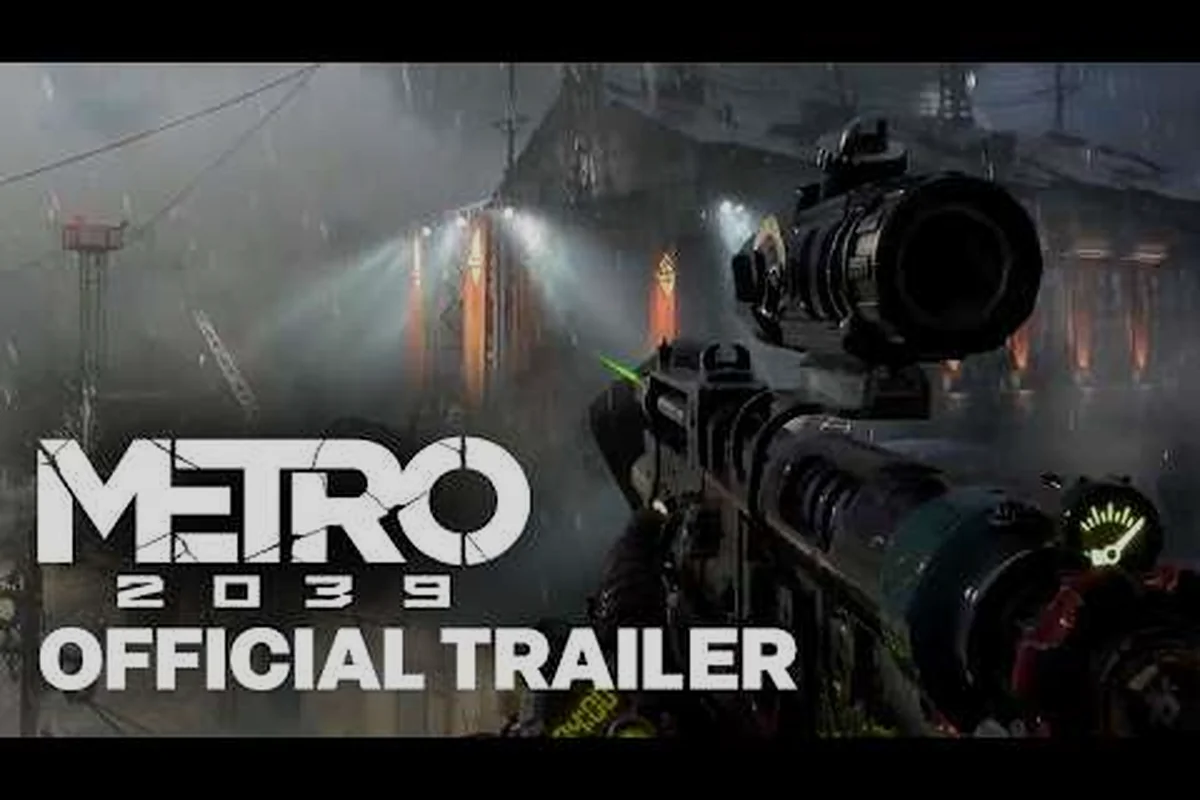
The METRO 2039 hunter dictatorship represents the most dramatic shift in the franchise's political landscape since the original novel. When 4A Games revealed that the independent factions of the old Metro have been forcibly united under a fascist regime led by a literal Fuhrer, longtime fans immediately recognized the narrative weight behind this decision. The Xbox First Look recap confirms that the game introduces The Stranger as the series' first fully voiced lead protagonist, a recluse haunted by violent nightmares who must return to the tunnels he swore never to revisit. Understanding how this dictatorship functions, how the companion system works, and what the character design tells us about the world is essential for anyone planning to step into the Moscow Metro when the game launches in February 2027.
The Novoreich Regime: How the Hunter Dictatorship Reshapes the Metro
| Aspect | The Stranger | Hunter (Spartan) |
|---|---|---|
| Role in story | First fully voiced lead protagonist; a recluse haunted by violent nightmares | Fanatical Spartan commander; key figure in the Novoreich dictatorship |
| Relationship to Metro | Forced to return to the Metro he swore never to revisit | Operates within the unified fascist dictatorship structure |
| Narrative function | Central playable character driving the plot | Antagonist/foil whose ideology clashes with The Stranger's exile |
| Voice acting | Fully voiced (series first for a lead) | Not confirmed as voiced lead; secondary character role |
| Character arc | Return from self-imposed exile | Enforcer of the new regime's order |
| Development / Narrative Element | Detail |
|---|---|
| Developer | 4A Games |
| Publisher | Deep Silver |
| Story collaboration | Original story written with Dmitry Glukhovsky (not based on a specific book) |
| Setting timeline | Sequel to Metro Exodus (2019), set four years after that game's events |
| Political backdrop | Independent Metro factions united under a fascist dictatorship led by a literal Fuhrer |
| Level design approach | Andriy Shevchenko's "frozen stories" method — rooms staged with items and bodies to tell micro-narratives |
| Environmental design shift | Confined spaces with denser storytelling vs. Exodus's open environments |
The METRO 2039 hunter dictatorship is not a simple rehash of the Red Line's authoritarianism from previous entries. According to the official Xbox Wire recap, the independent factions that once bickered and traded in relative autonomy have been consolidated under a single iron fist. This represents a fundamental break from the fractured political landscape players navigated in Metro 2033, Last Light, and Exodus, where station-level politics created a patchwork of alliances and betrayals.
What makes this dictatorship distinct is its ideological foundation. The regime doesn't just control territory; it controls the very narrative of survival itself. Propaganda posters line tunnel walls, loudspeakers broadcast the Fuhrer's speeches at regular intervals, and citizens are encouraged to report suspicious behavior to the Novoreich security forces. The game's environmental storytelling approach, which 4A Games describes as "frozen stories" staging rooms with items and bodies to tell micro-narratives, means players will encounter the dictatorship's impact through scattered evidence rather than exposition dumps.
The character design for the regime's enforcers reinforces this sense of oppressive uniformity. Unlike the ragged, individualized outfits of the Spartan Order or the Red Line soldiers, Novoreich troops wear standardized gear with matching helmets and insignia. This visual language communicates that individuality has been sacrificed for collective security, a thematic choice that permeates every encounter with regime forces.
Hunter's Transformation: From Spartan to Fuhrer
The character arc that leads to the METRO 2039 hunter dictatorship is arguably the most controversial narrative decision in the franchise's history. Hunter, the fanatical Spartan who served alongside Artyom in Metro 2033, has undergone a radical transformation. Community discussions on the r/metro subreddit have been analyzing whether this represents a natural evolution of his character or a betrayal of his established personality.
Hunter's original characterization emphasized his willingness to sacrifice anything for humanity's survival. He was the man who walked into the tunnels alone to confront the Dark Ones, accepting his probable death as a necessary cost. The dictatorship takes this logic to its extreme conclusion: if individual freedom threatens collective survival, then freedom must be eliminated. The regime's propaganda frames this as the only rational response to the surface's dangers, and Hunter's charisma makes the argument persuasive to a population exhausted by decades of war.
The Novoreich leader design reflects this ideological shift through subtle visual cues. Hunter's iconic military gear has been replaced with a Fuhrer's uniform, complete with ornate insignia and a distinctive cap. His face bears the scars of countless battles, but his posture has changed from that of a soldier to that of a statesman. The transformation is unsettling precisely because it feels earned rather than abrupt, a slow corruption that players can trace through environmental storytelling and companion dialogue.
The Gas Mask Characters and Visual Identity
The METRO 2039 character design places unprecedented emphasis on gas mask characters as expressions of personality and ideology. While previous games treated gas masks as functional equipment, METRO 2039 uses them as extensions of character identity. The Stranger's mask is worn and patched, suggesting years of isolation and neglect. Novoreich soldiers wear pristine masks with reinforced filters, their faces obscured behind identical visors that erase individual identity.
This design philosophy extends to the companion system, where each companion's mask tells a story. Some companions customize their masks with paint or engravings, marking them as individuals who resist the regime's homogenization. Others wear standard-issue Novoreich masks, visually aligning themselves with the dictatorship even if their dialogue suggests conflicting loyalties. The gas mask characters become a visual shorthand for political alignment, allowing players to read the political landscape at a glance.
The frozen stories approach to environmental storytelling amplifies this visual language. Players will encounter abandoned gas masks arranged in patterns that suggest execution sites, propaganda posters defaced with anti-regime graffiti, and the bodies of those who refused to conform. Each of these scenes communicates the dictatorship's brutality without a single line of dialogue, trusting players to piece together the narrative from visual evidence.
The Companion System: How METRO 2039 Deepens Character Relationships
The METRO 2039 companion system represents a significant evolution from previous entries in the series. While Metro Exodus featured occasional companion moments, METRO 2039 integrates companions into the core gameplay loop in ways that directly impact both combat and narrative. The system is designed around the Stranger's isolation, with companions serving as bridges back to a humanity he has deliberately abandoned.
Each companion has their own history with the Novoreich regime, and their dialogue reflects their personal experiences with the hunter dictatorship. Some are former regime soldiers who defected after witnessing atrocities. Others are resistance fighters who have lost everything to the regime's purges. The companion system tracks these relationships through a reputation mechanic that responds to player choices, creating branching dialogue trees and potentially different endings.
The companion system also affects gameplay mechanics in meaningful ways. Companions can provide tactical support during combat, offer crafting assistance at rest stops, and unlock optional dialogue scenes that reveal hidden lore about the world. The companion affinity system rewards players who take the time to understand each companion's perspective, offering unique perks and story moments for those who invest in these relationships.
Companion Archetypes and Their Narrative Functions
The METRO 2039 companion roster is designed to represent different responses to the dictatorship. One companion embodies resistance through direct action, favoring combat solutions and open defiance. Another represents accommodation, believing that survival requires working within the system even if it means compromising principles. A third occupies a middle ground, questioning both the regime and the resistance while searching for a third path.
These archetypes create natural tension within the party, forcing players to navigate conflicting perspectives on the hunter dictatorship. The companion system doesn't present any single response as obviously correct, instead allowing players to weigh the costs and benefits of each approach. This moral complexity is a hallmark of Metro's storytelling, and the companion system amplifies it by making these debates personal rather than abstract.
The voice acting and performance capture for companions represents a major technical achievement for 4A Games. The Stranger's fully voiced dialogue, a first for the series, enables dynamic conversations that respond to companion reactions in real time. According to community reports from the reveal trailer analysis, the interplay between the Stranger and their companions during gameplay segments suggests a level of narrative reactivity that previous Metro games could not achieve.
Best Character Moments: What the Trailer and Gameplay Reveals Show
The METRO 2039 best character moments, based on the gameplay reveal trailer and community analysis, center on the tension between the Stranger's desire for isolation and the unavoidable demands of the companion system. One standout moment shows the Stranger hesitating before accepting a companion's offered hand after a combat encounter, a small gesture that speaks volumes about their emotional state.
Another memorable sequence involves a companion confronting the Stranger about their nightmares, the first time the protagonist's trauma becomes a topic of open discussion rather than private suffering. The character development arcs in METRO 2039 appear designed to challenge the Stranger's belief that they can survive alone, with each companion representing a different reason to rejoin humanity.
The trailer also hints at moments where companions directly challenge the player's assumptions about the hunter dictatorship. One companion defends Hunter's actions as necessary sacrifices, while another calls him a tyrant who betrayed the Metro's founding ideals. These debates don't resolve cleanly, leaving players to form their own judgments about the regime and its leader.
Character Design Philosophy: Uniformity vs. Individuality
The METRO 2039 character design makes a deliberate visual argument about the costs of the hunter dictatorship. The regime's forces are visually indistinguishable, their uniforms and gas masks erasing individual identity in service of collective purpose. This design choice extends to the regime's civilian population, who wear standardized clothing and adopt similar postures when in public spaces.
Against this backdrop of uniformity, the Stranger and their companions stand out as visual rebels. Their gear is mismatched, patched, and personalized, reflecting their refusal to submit to the regime's aesthetic as well as its political authority. The visual storytelling through equipment is a Metro tradition, and METRO 2039 elevates it by making the contrast between regime and resistance visually legible at a glance.
The character design also communicates information about the world's history. Novoreich uniforms incorporate elements from multiple predecessor factions, suggesting that the regime absorbed rather than destroyed its rivals. Spartan insignia appear alongside Red Line symbols, repurposed and reinterpreted to serve the new order. This visual archaeology rewards attentive players who recognize the historical references embedded in the character designs.
The Stranger's Visual Identity and Narrative Purpose
The Stranger's character design emphasizes anonymity and mystery. Their gas mask is the most distinctive element, its worn surface suggesting years of exposure to the Metro's toxic air. Unlike the pristine masks of Novoreich soldiers, the Stranger's mask is a personal artifact, its scratches and patches telling stories of narrow escapes and desperate repairs.
The protagonist design choices reflect the Stranger's narrative function as a blank slate for player projection. Their face remains partially obscured even when the mask is removed, maintaining a degree of mystery while still allowing emotional expression through eyes and body language. This design balance allows players to project their own interpretation onto the character while still experiencing the fully voiced performance that 4A Games has promised.
The Stranger's equipment loadout also communicates their history. Their weapons are customized with improvised modifications, suggesting a survivor who has learned to make do with limited resources. The weapon customization system allows players to further personalize this loadout, creating a visual identity that evolves alongside the narrative. For players interested in optimizing their loadout choices, the METRO 2039 weapons list guide provides detailed breakdowns of each weapon's strengths and ideal modifications.
How Character Design Supports the Dictatorship Narrative
The character design in METRO 2039 doesn't just look good; it actively supports the narrative themes of the hunter dictatorship. The regime's visual uniformity communicates the erasure of individuality that authoritarian systems require. The contrast between regime and resistance characters makes the stakes of the conflict visible in every encounter.
The environmental storytelling techniques extend this visual language beyond character models. Abandoned stations are decorated with regime propaganda, their walls covered in posters and slogans that reinforce the dictatorship's control. The "frozen stories" approach means that players will encounter scenes that hint at resistance activities, executions, and the daily compromises that survival under authoritarian rule demands.
This design philosophy creates a world that feels coherent and lived-in, where every visual element serves the narrative. The character design doesn't just tell players who these people are; it tells them what this world has become and what it costs to live in it.
Character Theories: What the Community Is Debating
| Release Platform | Release Window | Storefront / Distribution |
|---|---|---|
| PlayStation 5 | February 2027 | PlayStation Store |
| Xbox Series X/S | February 2027 | Microsoft Store, Xbox on PC |
| PC (Windows) | February 2027 | Steam, Epic Games Store, Xbox on PC |
The METRO 2039 character theories circulating in the community reveal both excitement and anxiety about the game's narrative direction. The most prominent theory concerns whether the Stranger is connected to Artyom and the events of Metro Exodus. While 4A Games has confirmed that METRO 2039 is a new entry with an original story written in collaboration with Dmitry Glukhovsky, the exact relationship to previous games remains unclear.
Another major theory focuses on the hunter dictatorship's origins. Some players believe that Hunter's transformation into the Fuhrer represents a deliberate commentary on how good intentions can curdle into tyranny. Others argue that the regime is a front for something darker, with Hunter serving as a figurehead for forces he cannot fully control. The narrative speculation around these questions has generated significant discussion on the r/metro subreddit, with players analyzing every frame of the reveal trailer for clues.
The companion system has also generated theories about how player choices will affect the story's outcome. Some players speculate that companions can be lost permanently based on decisions made during their personal quests, while others believe that the reputation system will determine which ending players receive. According to community reports, the game's multiple endings will reflect the player's relationship with both the regime and the resistance.
The Stranger's Nightmares and Their Narrative Significance
The Stranger's nightmares are a central element of METRO 2039 character theories. The reveal trailer opens with a nightmare sequence that appears to show the Stranger reliving a traumatic event from their past. The nightmare sequences are presented as more than just atmospheric horror; they seem to contain narrative information that will be revealed over the course of the game.
Some theories suggest that the nightmares are connected to the hunter dictatorship's rise, with the Stranger carrying guilt over events that contributed to Hunter's transformation. Others propose that the nightmares are supernatural in origin, possibly connected to the Dark Ones or other psychic phenomena from the Metro universe. The psychological horror elements in the trailer suggest that the game will explore the Stranger's mental state as much as the political conflict.
The connection between the Stranger's nightmares and the companion system is another topic of speculation. Some players believe that companions will help the Stranger confront their trauma, while others suggest that certain companions will exploit it for their own purposes. The character relationship dynamics are expected to be a major source of narrative tension throughout the game.
How the Dictatorship Theme Connects to Real-World Commentary
The METRO 2039 hunter dictatorship has been interpreted by many players as commentary on real-world political trends. The game's exploration of how fear can lead populations to accept authoritarian rule resonates with contemporary concerns about democratic backsliding and the rise of strongman politics. The political allegory in the game's narrative is subtle enough to avoid heavy-handedness while still being legible to players who are paying attention.
The game's Ukrainian development context adds another layer to this commentary. 4A Games' history of creating narratives that reflect the experience of war and occupation gives the dictatorship theme a weight that purely fictional political commentary would lack. The cultural context of the game's development is likely to influence how players interpret its political themes.
The character theories surrounding the dictatorship also reflect player anxiety about the franchise's future. Some fans worry that making Hunter a villain betrays his established character, while others believe that his transformation is a natural extension of his existing personality traits. The franchise continuity questions raised by the dictatorship storyline are likely to remain a topic of debate until the game's release.
Practical Insights: What Players Should Know Before Release
For players preparing to explore the METRO 2039 hunter dictatorship when the game launches in February 2027, several practical considerations deserve attention. The game will be available simultaneously on PlayStation 5, Xbox Series, and PC through Steam, Epic Games Store, and Xbox on PC, according to the official METRO 2039 website. This simultaneous release represents a change from previous Metro games, which often staggered platform availability.
The companion system will require players to balance relationship building with survival priorities. Unlike previous Metro games where companions were largely narrative devices, METRO 2039 companions are active participants in gameplay. The companion management strategy will involve choosing which companions to bring on missions, managing their equipment, and responding to their personal requests and conflicts.
The resource management aspects of the game are also expected to be more complex than previous entries. The gas mask characters and their equipment requirements mean that players must carefully track filter supplies and mask condition. The game's crafting system will likely require players to make difficult choices about which equipment to maintain and upgrade. For newcomers to the series, the METRO 2039 best starting tips guide offers essential survival advice for the early hours.
What the Reveal Trailer Tells Us About Gameplay
The gameplay reveal trailer for METRO 2039, which the official METRO 2039 YouTube channel published, provides several insights into how the hunter dictatorship will affect gameplay. The trailer shows the Stranger navigating regime-controlled stations, avoiding patrols, and engaging in combat with Novoreich soldiers. The gameplay mechanics on display suggest a greater emphasis on stealth and evasion compared to Metro Exodus's more action-oriented approach.
The trailer also demonstrates the companion system in action, with companions providing covering fire, alerting the Stranger to enemy positions, and participating in scripted narrative moments. The combat integration of companions appears seamless, with AI-controlled allies behaving intelligently without becoming overpowered or frustratingly incompetent.
The environmental design shown in the trailer emphasizes the dictatorship's control over the Metro's infrastructure. Checkpoints, propaganda broadcasts, and surveillance equipment are visible throughout the stations, creating a sense of constant monitoring. The level design philosophy appears to reward careful observation and route planning rather than brute force approaches.
Preparing for the Moral Choices Ahead
METRO 2039 is expected to present players with difficult moral choices regarding the hunter dictatorship. The companion system's reputation mechanics suggest that player decisions will have meaningful consequences for both relationships and story outcomes. The moral choice framework appears designed to avoid clear right or wrong answers, instead forcing players to weigh competing values.
Players should expect to make choices about whether to support the resistance, cooperate with the regime, or attempt to carve out a neutral path. Each approach will likely have costs and benefits, and the companion system will react to these choices in ways that affect gameplay. The consequence tracking system will reward players who remain consistent in their moral positioning while also allowing for meaningful character development.
The game's multiple endings, which 4A Games has confirmed will exist, are expected to reflect the cumulative impact of player choices throughout the campaign. The ending variety will likely reward players who invest in the companion system and engage with the game's moral questions rather than simply rushing through the main story. For players who want to understand the Stranger's role in this conflict, the METRO 2039 the Stranger character guide provides detailed analysis of the protagonist's background and motivations.
Frequently Asked Questions
How does the METRO 2039 hunter dictatorship differ from the Red Line in previous games?
The Novoreich regime goes far beyond the Red Line's military control, unifying all independent factions under a single fascist dictatorship led by a literal Führer. Unlike the Red Line's ideological enforcement, the Hunter's rule adds pervasive surveillance and standardized military forces, making control inescapable—a totalitarian shift, not just a territorial one.
What is the METRO 2039 companion system and how does it work?
The companion system ties loyalty directly to your stance against the Novoreich regime—supporting the Hunter dictatorship locks you out of certain companions' storylines. Each companion offers unique tactical support and optional lore scenes, but your reputation choices ultimately determine which ending you unlock, making loyalty management critical for narrative completion.
How does character design reflect the dictatorship theme in METRO 2039?
Character design makes the dictatorship's ideology visible: Novoreich soldiers wear identical uniforms and gas masks, erasing individuality, while The Stranger and resistance fighters keep worn, personalized gear. This visual contrast lets players read political allegiance instantly, reinforcing how Hunter's fascist regime—uniting the old Metro's factions—demands conformity at the cost of personal identity.
Will the Stranger's nightmares be explained during the game?
Yes, the Stranger's nightmares are a core narrative device that 4A Games will explain through the game's story. The nightmares directly tie into his forced return to the Metro and his confrontation with the Novoreich regime, serving as the primary motivation driving his character arc throughout the campaign.
How many endings will METRO 2039 have?
4A Games hasn't announced an exact ending count, but expect multiple outcomes tied to the Novoreich regime's reputation system and your companion relationships. Your standing with the Hunter dictatorship and individual allies will likely determine whether the Stranger's nightmares resolve through resistance, submission, or a third path.