
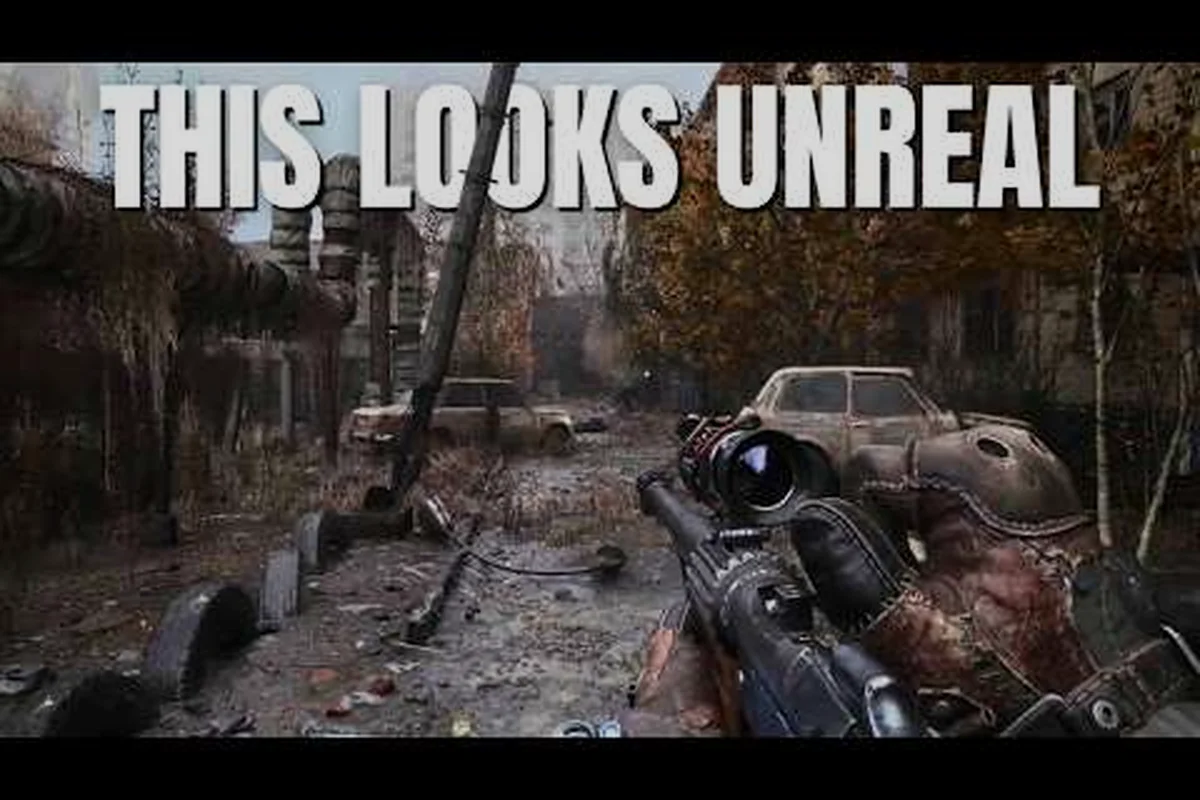
The metro 2039 factions explained picture is far more layered than the old Red Line versus Fourth Reich standoff from previous entries. When the reclusive Stranger crawls out of exile into the shattered tunnels, he walks into a political landscape dominated by two towering powers: the totalitarian Novoreich regime and the remnants of the Spartan order. Understanding who controls what, why the propaganda machines run day and night, and how Hunter's empire consolidated power is essential for navigating the story, choosing dialogue options, and surviving faction-controlled checkpoints. This breakdown gives you the full political map before you set foot in the Metro.
The Novoreich Regime: How Hunter Built His Empire
The Novoreich regime is the central antagonist force in METRO 2039, and it represents a dramatic evolution of the faction system that longtime fans will recognize. While the old Fourth Reich was a fringe nationalist group confined to a handful of stations, Novoreich has grown into a sprawling authoritarian state that controls the majority of the tunnel network's northern and western arteries. According to the official METRO 2039 website, the game weaves exploration, survival, combat and stealth across a hauntingly beautiful but deadly world, and the faction you align with determines which of those pillars you lean on most heavily.
The regime's rise is directly tied to the character known as the Hunter, a figure who appeared in earlier Metro lore as a mysterious ranger with his own agenda. In 2039, the Hunter has abandoned his old Spartan ties and built something far more ambitious: a militarized state that uses Novoreich propaganda to control information, rewrite history, and present itself as the only path to humanity's survival. Creative director Pawel Ulmer has stated this is the darkest chapter of the Metro saga yet, with the team refusing to romanticize the post-apocalypse, which means the regime's methods are shown in brutally honest detail rather than cartoonish villainy.
The Propaganda Machine
The Novoreich propaganda apparatus is not a background detail; it is a core gameplay mechanic that affects how station residents react to you, which side quests become available, and whether you can move freely through regime-controlled territory. Loudspeakers blare sanitized victory reports, walls are plastered with stylized portraits of the Hunter, and dissidents are publicly re-educated in station squares. Community reports from early previews suggest that the propaganda system tracks your actions and reputation, meaning that helping resistance cells will make regime patrols more aggressive while cooperating with authorities opens up officer-only districts.
Military Structure and Control
The regime's military is organized into a rigid hierarchy that rewards loyalty over competence, which creates interesting opportunities for a player who understands the system. Hunter's empire relies on a network of informants, checkpoints, and patrol routes that you will need to learn if you want to move through Novoreich territory without triggering a manhunt. The table below summarizes the main branches of the regime's power structure as reported by players who attended the Xbox Games Showcase 2026 demo:
| Branch | Primary Role | Player Interaction |
|---|---|---|
| Black Brigades | Elite shock troops, direct Hunter loyalists | Boss encounters, high-risk stealth sections |
| Propaganda Corps | Information control, public re-education | Dialogue checks, reputation shifts |
| Station Militia | Local garrison forces, checkpoint duty | Bribery, disguise opportunities |
| Technical Division | Weapon research, tunnel maintenance | Trading, upgrade unlocks |
Each branch responds to different player behaviors, which means that a combat-heavy approach will earn you fear from the Militia but respect from the Black Brigades, while a stealthy playthrough might keep you under the radar entirely. This is where the faction system and reputation mechanics come into play, since your standing with each branch determines which missions are offered and which areas remain hostile.
The Spartan Order: The Last Honest Soldiers
The Spartan order represents everything the Novoreich regime is not, and for many players, the metro 2039 factions explained story is really about choosing between these two philosophies. The Spartans are the descendants of the original Spartan Rangers from Metro 2033 and Last Light, the elite military order that once protected the entire Metro from supernatural and human threats alike. In 2039, however, the order has been shattered, reduced to a shadow of its former strength after the events that pushed the Hunter to break away and form his own empire.
The spartans metro presence in 2039 is concentrated in a few key strongholds, primarily around the Polis station complex and several fortified outposts along the central lines. They operate on a code of honor that emphasizes protecting civilians over seizing power, which puts them at a strategic disadvantage against the regime's ruthless expansion. According to the Wikipedia entry on METRO 2039, the narrative was designed with Metro book author Dmitry Glukhovsky, who said it is darker than anything the series has seen before, and the Spartans' struggle reflects that darkness as they fight a losing battle against a better-equipped and more ruthless enemy.
Spartan Leadership and Ideals
The current leadership of the Spartan order is fractured, with some commanders advocating for a guerrilla war against Novoreich while others push for negotiation and coexistence. This internal division is a major plot point, because your actions as the Stranger can tip the balance one way or the other. The order's core values remain unchanged: protect the innocent, preserve knowledge, and never abandon a station to the darkness. These ideals make the Spartans natural allies for players who want to help the downtrodden, but they also make the order vulnerable to exploitation by those who see its honor as weakness.
The Order's Arsenal and Tactics
Despite being outnumbered, the Spartan order maintains a technological edge in certain areas, particularly in the maintenance of pre-war military equipment and the training of elite operatives. The table below compares the operational capabilities of the two major factions based on community testing from the gameplay reveal trailer:
| Capability | Novoreich Regime | Spartan Order |
|---|---|---|
| Manpower | Vast, conscript-based | Small, volunteer elite |
| Equipment | Mass-produced, standardized | Salvaged, customized |
| Intel Network | Extensive informant system | Limited but trusted contacts |
| Public Support | Enforced through propaganda | Earned through protection |
| Leadership Unity | Absolute, top-down | Divided, council-based |
The Spartans' reliance on customized equipment means that their weapons often outperform regime-issue gear in the hands of a skilled player, but replacement parts are scarce and expensive. This creates a meaningful trade-off when you are deciding which faction to support, because the regime offers reliable supply lines while the Spartans offer superior tools for those willing to maintain them. For a deeper look at how the order operates on the ground, the Spartan Rangers faction breakdown covers their history and key members in detail.
Independent Stations and the Resistance Movement
Between the hammer of the Novoreich regime and the anvil of the Spartan order lies a sprawling network of independent stations that refuse to pledge allegiance to either power. These stations are not unified; they range from neutral trading posts that do business with everyone to armed resistance cells that actively sabotage the regime's operations. The metro 2039 factions explained story becomes significantly more complex when you factor in these third-party actors, because they can be allies, enemies, or something in between depending on how you handle each encounter.
The resistance movement is particularly important for players who want to undermine the Novoreich regime without directly joining the Spartans. These cells operate in the shadows, conducting sabotage missions, smuggling dissidents to safety, and distributing anti-regime literature that counters the Novoreich propaganda machine. Community reports indicate that the resistance is not a monolithic organization; it is a loose coalition of former regime soldiers, displaced station dwellers, and idealistic youth who share a common enemy but disagree on methods. Some cells favor peaceful protest and information warfare, while others advocate for targeted assassinations of regime officers.
Key Independent Factions
The independent stations host several distinct groups that players will encounter throughout the campaign, and each one offers unique quests and rewards. The table below outlines the major independent factions as identified from the Xbox Wire first-look recap:
| Faction | Stance | Key Benefit |
|---|---|---|
| Hansa Traders | Neutral, profit-driven | Access to rare goods and information |
| Polis Council | Scholarly, preservationist | Lore insights and technology research |
| Red Line Remnants | Anti-regime, socialist | Guerrilla support and safe houses |
| Station Militias | Local defense, isolationist | Protection in exchange for labor |
Each of these groups has its own reputation system, and your choices with one faction can have ripple effects on your standing with others. The Hansa Traders, for example, will sell to anyone with currency, but they will also report your movements to the highest bidder if the price is right. The Polis Council holds vast archives of pre-war knowledge, which makes them invaluable for players who want to understand the deeper mysteries of the Metro, but they are notoriously reluctant to share their secrets with outsiders. If you are interested in the full picture of who controls what territory, the independent stations and resistance guide provides a station-by-station breakdown.
Faction Reputation and Player Choice
The faction system in METRO 2039 is not a simple binary choice between good and evil; it is a dynamic web of relationships that shifts based on your actions, dialogue selections, and mission outcomes. Every major decision you make carries weight, and the game tracks your standing with each faction through a hidden reputation score that influences everything from merchant prices to whether patrols open fire on sight. This design philosophy aligns with the game's stated themes of the consequences of war and the price of freedom, as reported by executive producer Jon Bloch.
Your reputation with the Novoreich regime and the Spartan order operates on parallel tracks, meaning that you can theoretically maintain positive standing with both factions for a significant portion of the game. This is not a betrayal mechanic; it is a reflection of the political reality where both sides need allies and are willing to tolerate ambiguity as long as you deliver results. However, there are tipping points where you will be forced to choose, and those choices lock you into specific story branches that lead to dramatically different endings.
Reputation Tiers and Consequences
Each major faction has multiple reputation tiers that unlock progressively better rewards and more sensitive missions. The table below summarizes the tier structure based on community testing of the demo build:
| Reputation Tier | Novoreich Benefits | Spartan Benefits |
|---|---|---|
| Hostile | Constant patrol attacks | Safe houses closed |
| Neutral | Standard trading rates | Standard mission access |
| Respected | Officer quarters access | Elite training unlocks |
| Trusted | Black Brigade support calls | Spartan cache locations |
| Legendary | Personal audience with Hunter | Command of Spartan squads |
Reaching the Legendary tier with either faction requires significant investment, but the rewards are substantial. A trusted relationship with the regime grants access to restricted military zones where unique weapons and armor can be found, while the Spartans offer advanced training that improves your stealth and combat efficiency. The choice between these paths is one of the most meaningful decisions in the game, and it directly ties into the broader question of whether the Metro can be saved through order or through freedom. For a closer look at how the story handles these themes, the narrative analysis of the Novoreich regime explores the writing team's approach to tyranny and resistance.
Reading Faction Territory: Checkpoints, Disguises and Documents
Whether you align with the Novoreich regime, the Spartan order, or decide to play all sides against each other, practical knowledge of how faction territory works will keep you alive in the tunnels. The metro 2039 factions explained picture becomes clearer once you understand the patrol patterns, checkpoint protocols, and safe passage rules that govern movement through contested areas. Here are the key strategies that experienced players recommend based on early access sessions:
-
Learn checkpoint schedules: Regime checkpoints follow predictable rotation patterns, and knowing when guards change shifts creates windows for stealthy passage.
-
Carry faction-appropriate documents: Forged papers can get you through checkpoints without a fight, but they expire and must be renewed through faction contacts.
-
Use disguise mechanics wisely: Wearing faction armor lets you blend in, but officers and elite units can see through disguises if you get too close.
-
Build a network of safe houses: Independent stations offer refuge when both major factions are hunting you, so keep their quests active even if you have a primary allegiance.
-
Monitor propaganda broadcasts: The Novoreich propaganda announcements contain coded messages that hint at upcoming patrol shifts and military operations, giving observant players an edge.
The Hunter's empire is vast, but it is not omnipotent. The regime's reliance on propaganda and informants creates blind spots that a clever player can exploit, and the Spartans' knowledge of the tunnels provides alternative routes that bypass regime checkpoints entirely. If you are planning a stealth-focused playthrough, the Ranger Mode survival guide offers detailed advice on moving through hostile territory without triggering alerts, including specific route recommendations for the early game.
Frequently Asked Questions
What is the main difference between the Novoreich regime and the Spartan order?
The Novoreich regime is an authoritarian state built on propaganda, conscription, and absolute loyalty to the Hunter, while the Spartan order is a diminished military brotherhood that values honor, civilian protection, and individual initiative. The regime controls more territory and resources, but the Spartans maintain superior training and equipment for their smaller force.
Can I play through METRO 2039 without choosing a side?
Yes, the game supports a neutral playthrough where you maintain working relationships with both major factions while primarily operating through independent stations. This path is more challenging because you miss out on high-tier faction rewards, but it offers unique dialogue options and a distinct ending that reflects your refusal to endorse either ideology.
How does the Novoreich propaganda system affect gameplay?
The propaganda system tracks your public image and influences how station residents react to you. High propaganda coverage makes regime patrols more suspicious of strangers, while disrupting propaganda operations lowers morale and creates opportunities for resistance activities. Your actions directly shift the propaganda narrative, which changes mission availability and NPC dialogue throughout the campaign.
Is the Hunter the same character from previous Metro games?
Yes — the Hunter is the same ranger from Metro 2033 and Last Light, but 2039 recasts him as the Novoreich regime's founder, a tragic antagonist. His backstory unfolds via collectible documents and flashbacks, deepening his fall from Spartan ally to tyrant.
Which faction is better for a first-time player?
For newcomers, the Spartan order is the better starting path—their missions emphasize exploration and tactical combat, offering a clearer moral framework than the Novoreich regime's reputation mechanics and moral compromises. Both paths remain viable since METRO 2039 is designed as a jumping-on point, but Spartans make understanding the shattered Metro far more intuitive.